Buy jahresabschluss.eu ?
We are moving the project
jahresabschluss.eu .
Are you interested in purchasing the domain
jahresabschluss.eu ?
domain@kv-gmbh.de · 0541-91531010
Buy jahresabschluss.eu ?
What is the gambler's fallacy?
The gambler's fallacy is the mistaken belief that if a certain event has occurred more frequently than usual in the past, it is less likely to happen in the future, and vice versa. For example, if a coin has landed on heads several times in a row, someone might believe that it is "due" to land on tails. In reality, each coin flip is an independent event and is not influenced by previous outcomes. This fallacy can lead people to make poor decisions in gambling or other situations where chance is involved. **
Is the statement "I think, therefore I am" a being-ought fallacy?
The statement "I think, therefore I am" is not a being-ought fallacy. It is a philosophical proposition put forth by René Descartes, which asserts the existence of the self as a thinking being. It does not make any normative claims about what one ought to do or be, but rather focuses on the epistemological certainty of one's own existence as a thinking being. Therefore, it does not fall into the category of being-ought fallacy, which involves deriving an "ought" statement from a statement about being. **

Similar search terms for Fallacy
Top-Angebote
Products related to Fallacy:
-
Roommates Lisa Audit Grey Dancing Leaves Peel and Stick WallpaperGive your space a classic farmhouse accent in as little as peel, stick & done! This grey and white botanical print is perfect for creating a cozy space with ease. Roll size - 20.5 inches wide x 18 feet. Design has a drop match with a 20.5 inch repeat.36,97 $*Shipping: 0,00 $Secure redirect to the provider
-
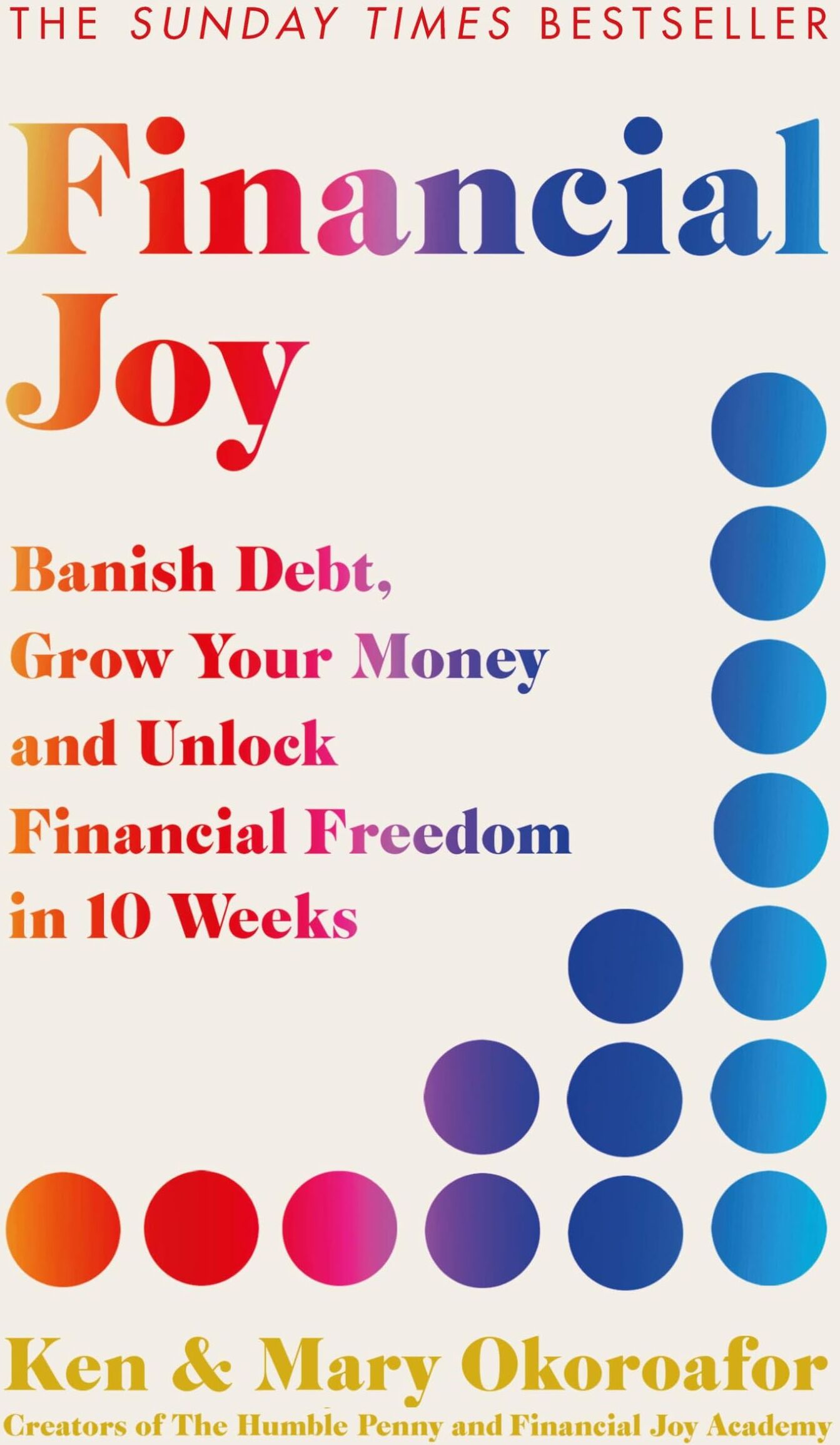
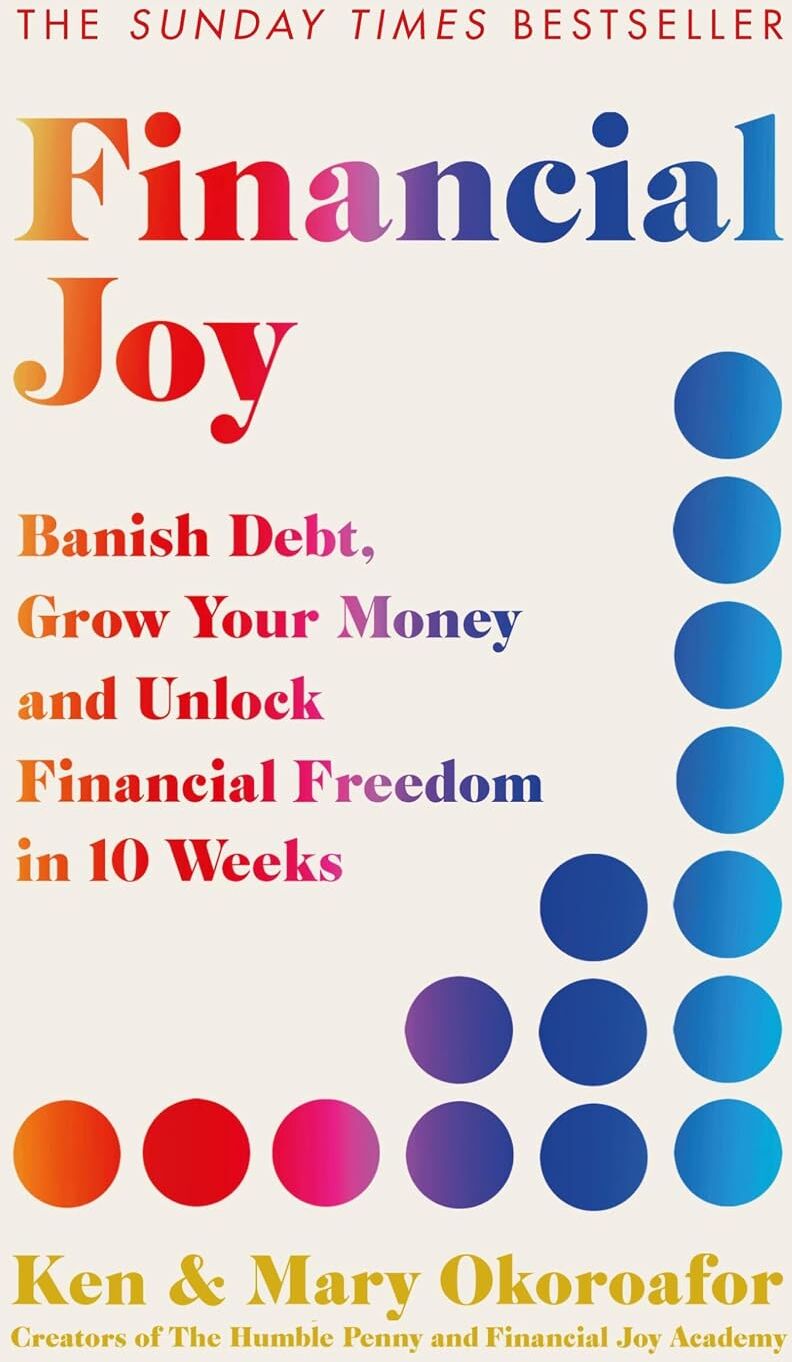
Quercus Financial Joy: Banish Debt, Grow Your Money and Unlock Financial Freedom - Ken & Mary Okoroafor - Paperback - Sunday Times Bestseller Money GuideFinancial Joy is a practical guide to managing your finances, written by Ken and Mary Okoroafor. This Sunday Times bestselling book offers a structured ten-week programme to help you reset your relationship with money. Rather than focusing on restriction, the authors champion 'financial joy' - the idea that budgeting, saving, and investing can coexist with the small pleasures that make life worth living. The book draws on the authors' own story of building financial independence through discipline, smart saving, and considered investing, providing a genuine and relatable approach to personal finance.5,99 £*Shipping: 2,99 £Secure redirect to the provider
-
Roommates Lisa Audit Blue & White Dotted Line Peel and Stick WallpaperSimple yet statement making, Blue Dotted Line Peel And Stick Wallpaper is sure to catch the eye of everyone who enters your home. This graceful geometric pattern creates a designer look with minimal effort.48,49 $*Shipping: 0,00 $Secure redirect to the provider



-
What is a fallacy in combinatorics?
A fallacy in combinatorics is a mistaken belief or argument based on faulty reasoning related to counting or arranging objects. It often involves making incorrect assumptions or using flawed logic when solving problems related to permutations, combinations, or probability. Common fallacies in combinatorics include misunderstanding the fundamental principles of counting, misinterpreting the meaning of a problem, or overlooking certain constraints or conditions. It is important to be aware of these fallacies in order to avoid making errors when working on combinatorial problems. **
-
What is the fallacy in Schrödinger's cat?
The fallacy in Schrödinger's cat thought experiment lies in the assumption that a cat can exist in a superposition of being both alive and dead at the same time. This is not possible in the macroscopic world, as it violates our everyday experience and the principles of classical physics. The thought experiment was designed to illustrate the concept of superposition in quantum mechanics, but it has been criticized for its unrealistic and paradoxical nature. In reality, the cat would either be alive or dead, not both simultaneously. **
-
Is the statement "I think, therefore I am" a fallacy of the "is-ought" distinction?
The statement "I think, therefore I am" is not a fallacy of the "is-ought" distinction. The "is-ought" distinction refers to the idea that one cannot derive an "ought" (a moral or prescriptive statement) from an "is" (a descriptive statement). However, "I think, therefore I am" is a statement about existence and self-awareness, not a prescription for how one should behave. Therefore, it does not fall into the category of the "is-ought" fallacy. **
-
What is the moral justification for the naturalistic fallacy?
The moral justification for the naturalistic fallacy is rooted in the belief that what is natural is inherently good or right. This perspective argues that because something occurs in nature, it must be morally acceptable or desirable. However, this reasoning is flawed as it conflates descriptive statements about the way things are in nature with prescriptive statements about how things ought to be morally. Just because something is natural does not automatically make it morally right or ethical. **


What is the difference between practical syllogism and naturalistic fallacy?
Practical syllogism is a form of reasoning that involves making decisions or taking action based on practical considerations and goals. It is a type of reasoning that focuses on what should be done in a particular situation. On the other hand, naturalistic fallacy is a logical error that occurs when someone assumes that because something is natural, it is therefore good or right. It is a mistake in reasoning that confuses descriptive claims about what is natural with prescriptive claims about what ought to be done. In summary, practical syllogism is a form of practical reasoning, while naturalistic fallacy is a logical error related to assumptions about what is natural. **
Can someone explain to me what a naturalistic fallacy is?
The naturalistic fallacy is a philosophical concept that refers to the idea that just because something is natural, it is therefore good or right. This fallacy occurs when someone argues that something is morally acceptable or desirable simply because it is natural or occurs in nature. However, the naturalistic fallacy fails to consider that what is natural is not always morally good, and what is morally good is not always natural. It is important to recognize that the naturalistic fallacy can lead to flawed reasoning and ethical judgments. **
Top-Angebote
Products related to Fallacy:
-
Quercus Financial Joy: Set your financial goals for 2026 - Banish Debt, Grow Your Money and Unlock Financial Freedom by Ken and Mary OkoroaforAs seen on ITV's This Morning! A life-changing 10-week plan to help you to turn your life around and design a path to financial freedom, enriched with the small experiences that bring you joy. Stop worrying about money. Start enjoying your life. You might be struggling in debt, living paycheque to paycheque, or worried about preparing for retirement; maybe you're considering your first investment, or you just want an escape plan from the '9 to 5'. Wherever you are on your journey, this book will revolutionize your lifestyle and your relationship with money. Authors Ken and Mary Okoroafor started out as resource-poor, working-class immigrants and have built a life of financial independence and joyful moments through hard work, smart saving and savvy investing. They know what it feels like to start from ground zero, and as a chartered accountant and former CFO, Ken shares his financial expertise to help you unlock the secret to building wealth. You'll learn how to take control of your finances, develop good money habits, become debt-free, invest in assets and multiply your income so you can create the freedom to travel, spend time with your loved ones and plan for a stress-free (early) retirement - all whilst prioritising your wellbeing and having fun! It also includes a dozen real-life interviews with singles, couples and those with children, from different backgrounds, age groups and stages of their money journey, including a few well-known public figures. Financial joy can be achieved by anyone - and it can start today, not tomorrow.5,99 £*Shipping: 2,99 £Secure redirect to the provider
-
Roommates Lisa Audit Blue Dancing Leaves Peel and Stick WallpaperAchieve light and breezy farmhouse charm using this peel and stick wallpaper that goes up with ease. Upgrading your space with this blue and white botanical print is as easy as peel, stick & done! Roll size - 20.5 inches wide x 18 feet.42,31 $*Shipping: 0,00 $Secure redirect to the provider
-
Roommates Lisa Audit Grey Dancing Leaves Peel and Stick WallpaperGive your space a classic farmhouse accent in as little as peel, stick & done! This grey and white botanical print is perfect for creating a cozy space with ease. Roll size - 20.5 inches wide x 18 feet. Design has a drop match with a 20.5 inch repeat.36,97 $*Shipping: 0,00 $Secure redirect to the provider
-
Quercus Financial Joy: Banish Debt, Grow Your Money and Unlock Financial Freedom - Ken & Mary Okoroafor - Paperback - Sunday Times Bestseller Money GuideFinancial Joy is a practical guide to managing your finances, written by Ken and Mary Okoroafor. This Sunday Times bestselling book offers a structured ten-week programme to help you reset your relationship with money. Rather than focusing on restriction, the authors champion 'financial joy' - the idea that budgeting, saving, and investing can coexist with the small pleasures that make life worth living. The book draws on the authors' own story of building financial independence through discipline, smart saving, and considered investing, providing a genuine and relatable approach to personal finance.5,99 £*Shipping: 2,99 £Secure redirect to the provider
-
What is the gambler's fallacy?
The gambler's fallacy is the mistaken belief that if a certain event has occurred more frequently than usual in the past, it is less likely to happen in the future, and vice versa. For example, if a coin has landed on heads several times in a row, someone might believe that it is "due" to land on tails. In reality, each coin flip is an independent event and is not influenced by previous outcomes. This fallacy can lead people to make poor decisions in gambling or other situations where chance is involved. **
-
Is the statement "I think, therefore I am" a being-ought fallacy?
The statement "I think, therefore I am" is not a being-ought fallacy. It is a philosophical proposition put forth by René Descartes, which asserts the existence of the self as a thinking being. It does not make any normative claims about what one ought to do or be, but rather focuses on the epistemological certainty of one's own existence as a thinking being. Therefore, it does not fall into the category of being-ought fallacy, which involves deriving an "ought" statement from a statement about being. **
-
What is a fallacy in combinatorics?
A fallacy in combinatorics is a mistaken belief or argument based on faulty reasoning related to counting or arranging objects. It often involves making incorrect assumptions or using flawed logic when solving problems related to permutations, combinations, or probability. Common fallacies in combinatorics include misunderstanding the fundamental principles of counting, misinterpreting the meaning of a problem, or overlooking certain constraints or conditions. It is important to be aware of these fallacies in order to avoid making errors when working on combinatorial problems. **
-
What is the fallacy in Schrödinger's cat?
The fallacy in Schrödinger's cat thought experiment lies in the assumption that a cat can exist in a superposition of being both alive and dead at the same time. This is not possible in the macroscopic world, as it violates our everyday experience and the principles of classical physics. The thought experiment was designed to illustrate the concept of superposition in quantum mechanics, but it has been criticized for its unrealistic and paradoxical nature. In reality, the cat would either be alive or dead, not both simultaneously. **
Similar search terms for Fallacy
-
Roommates Lisa Audit Blue & White Dotted Line Peel and Stick WallpaperSimple yet statement making, Blue Dotted Line Peel And Stick Wallpaper is sure to catch the eye of everyone who enters your home. This graceful geometric pattern creates a designer look with minimal effort.48,49 $*Shipping: 0,00 $Secure redirect to the provider
-
Roommates Lisa Audit Navy & White Dotted Line Peel and Stick WallpaperSimple yet statement making, Navy Dotted Line Peel And Stick Wallpaper is sure to catch the eye of everyone who enters your home. This graceful geometric pattern creates a designer look with minimal effort.33,78 $*Shipping: 0,00 $Secure redirect to the provider
-
Officially Licensed Gas Safe Gas Safe® Inspection Report Pad (50 Sets)Gas Safe® Inspection Report Pad (50 Sets) – GSRGIRPAD3 The Gas Safe® Premium Gas Inspection Record Pad is designed for recording gas safety inspections and work carried out. This A4 landscape pad includes 50 sets of individually numbered, 2-part carbonless forms, giving a copy retained by the engineer and one by the gas user. Construction includes double covers, triple-stitched binding and a writing guard for long-lasting, practical use, and each form is perforated for easy removal without compromising the pad's spine. ⚠️ This pad is not for Landlords Gas Safety Records. For those, use the Gas Safe® Landlords Form (GSRLGSRPAD2). Key Features & Benefits For Gas Safety Inspections: Records gas safety checks and work carried out.13,50 £*Shipping: 5,00 £Secure redirect to the provider
-
Is the statement "I think, therefore I am" a fallacy of the "is-ought" distinction?
The statement "I think, therefore I am" is not a fallacy of the "is-ought" distinction. The "is-ought" distinction refers to the idea that one cannot derive an "ought" (a moral or prescriptive statement) from an "is" (a descriptive statement). However, "I think, therefore I am" is a statement about existence and self-awareness, not a prescription for how one should behave. Therefore, it does not fall into the category of the "is-ought" fallacy. **
-
What is the moral justification for the naturalistic fallacy?
The moral justification for the naturalistic fallacy is rooted in the belief that what is natural is inherently good or right. This perspective argues that because something occurs in nature, it must be morally acceptable or desirable. However, this reasoning is flawed as it conflates descriptive statements about the way things are in nature with prescriptive statements about how things ought to be morally. Just because something is natural does not automatically make it morally right or ethical. **
-
What is the difference between practical syllogism and naturalistic fallacy?
Practical syllogism is a form of reasoning that involves making decisions or taking action based on practical considerations and goals. It is a type of reasoning that focuses on what should be done in a particular situation. On the other hand, naturalistic fallacy is a logical error that occurs when someone assumes that because something is natural, it is therefore good or right. It is a mistake in reasoning that confuses descriptive claims about what is natural with prescriptive claims about what ought to be done. In summary, practical syllogism is a form of practical reasoning, while naturalistic fallacy is a logical error related to assumptions about what is natural. **
-
Can someone explain to me what a naturalistic fallacy is?
The naturalistic fallacy is a philosophical concept that refers to the idea that just because something is natural, it is therefore good or right. This fallacy occurs when someone argues that something is morally acceptable or desirable simply because it is natural or occurs in nature. However, the naturalistic fallacy fails to consider that what is natural is not always morally good, and what is morally good is not always natural. It is important to recognize that the naturalistic fallacy can lead to flawed reasoning and ethical judgments. **
* All prices are inclusive of VAT and, if applicable, plus shipping costs. The offer information is based on the details provided by the respective shop and is updated through automated processes. Real-time updates do not occur, so deviations can occur in individual cases. ** Note: Parts of this content were created by AI.